 |
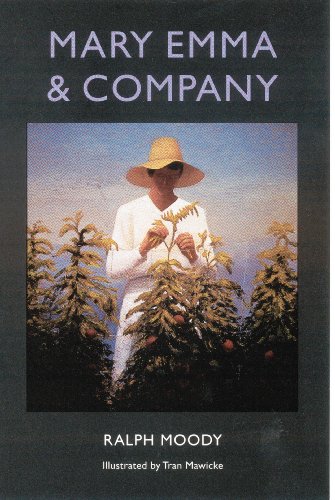
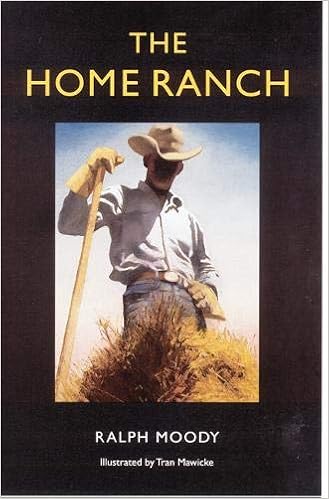
| Again, this cover just doesn't fit. Who is that man? He's too young to be grandfather and too old to be Ralphie! |
The next installment in the Little Britches series, The Fields of Home, recounts Ralph's time working on his grandfather's farm in Maine. Ralph's family had to move back to Massachusetts from Colorado. The previous book, Mary Emma & Company, recounts their first year trying to adjust to city life. Ralph works hard to help support his family. But he keeps getting into trouble. Life in Medford, MA has a lot more rules to follow than Littleton, CO. So to keep himself out of trouble, Ralph is sent to live with his grandfather.
Only grandfather is not easy to live with! He is a cantankerous old man, who yells and criticizes before he thinks. He's got a huge chip on his shoulder and he tends to drive everyone he loves away from him. Ralph can't do anything right in his grandfather's eyes and he chaffs under his authority. One good thing that has happened to grandfather is that he has finally gotten a good housekeeper to help him, Millie, who is as prickly and grumpy as grandfather, but a hard worker and a good cook.
The farm was inherited by grandfather from his father, who established it before even the founding of the U.S. Ralph's great grandfather didn't even beget grandfather until he was 72. Grandfather has lived his whole life under the shadow of his own father's legendary toughness. Even now in old age, he wants nothing but to please his father by leaving the farm in good shape. But grandfather has suffered from malaria since he fought in the Civil War (he was at Gettysburg). His children have up and moved away, his wife has passed, he can't get along with his brother Uncle Levi and his barn has burned down. Nature is busy reclaiming fields his father once cleared. He's desperately unhappy and he spreads that unhappiness to those around him.
Things reach a real nadir when both Millie and Ralph leave him (he basically kicks them off the farm in a fit of rage). But Ralph comes back due to Uncle Levi's urging. Together they try to understand grandfather and figure out how they can help him, for the truth is, they do love him and they do want the family farm to succeed again.
I found this book so interesting because it mentioned so many little things that I am just learning about and to me are all new. I've been watching these homesteading videos and learned about this new 'trendy' thing called switchel, except it isn't new at all. In our newly planted permaculture garden we have chokeberries, something that is also now trendy, except they knew about them back in 1912. Uncle Levi comes to visit one time and brings lots of fruits from Boston including red bananas and blood oranges. The only place I've ever seen red bananas is in Whole Foods and I had never heard of blood oranges until my oldest daughter went to Italy and then suddenly they became this new trendy flavor over here. Except in 1912 farmers in Maine were eating them as treats from the city! There were so many little incidents like this throughout the book.
This book contains a wealth of information on farming and how they used to build equipment like forklifters (to clear about stones in the fields) manure spreaders, how to gather hay and stack it for winter, how to chop down trees and raise a barn. It was like reading one of those Eric Sloane books about early American farm craft.
While I really don't like the bleak covers on these Bison published editions, the inside black and white illustrations, which look original to the 1953 publication, are charming.
I am really enjoying moving through this series. People were such tough, resilient, hard workers back in the day!
For more book reviews go to Read 52 Books in 52 Weeks.