Somewhere recently I saw a post that I cannot locate now (in my defense it was early morning and I hadn't had any coffee when I saw it!) where the person had gathered a list of what the top ten (or might have been 15, no coffee, no memory for me, apparently!) favorite school supplies were for homeschooling and everyone came up with lots of great items they felt were must haves in their homeschool. However, I've been on this zero-waste journey since March and I notice a lot of them were pretty wasteful in terms of plastic packaging or just not being the least wasteful alternative to the particular item. I noticed one person recommend an electric pencil sharpener. Another recommended lots of little post it book marks in little plastic dispensers. Another raved about her laminator.
Well, I got 'woke' last winter to how much damage we are doing to our children's future by being so careless about our wasteful lifestyles. So here are my thoughts on this.
Some guiding principles for zero waste homeschooling: reuse whatever you have. I've found that people (including myself) have drawers full of stuff like pencils, pens, etc. Go through it all, see what works and what doesn't. Try to dispose of the stuff that doesn't work for you in the most earth-friendly way possible. Will anyone take it off her your hands via free cycle? Can someone reuse it or can you give away to a charity? Try to search for other options rather than landfill. Secondly, when buying, try to get the thing that costs the least amount of resources and pollution in production, is also recyclable or compostable and comes in eco-friendly packaging. Plastic is problematic. Only a very small percentage of it is actually downcycled. Plastic can only be reused once and then it's in the in the landfill for forever. Remember the earth can not digest plastic. It never goes away! Instead it photo-degrades into tiny pieces that are eaten by animals and become part of our food! It is really is a global crisis right now. We need to do absolutely everything we can to refuse and reduce our intake of plastic.
So I came up with an alternative list that uses recycled materials in new products or items that use less packaging and plastic or ideas (which tend to overlap with people wanting to be frugal as well) for ways to homeschool with the least amount of waste.
1)
Decomposition notebooks - these spiral bound or sewn composition notebooks are sold in many places. Before you go for new paper, try to buy this sort of thing.
2)
Sprout pencils - you need a writing implement for those notebooks! Sprout pencils are a really cute idea. And they are educational! Your kid gets to plant seeds when the pencil gets too small.
3) Eraser - Since seeds are on the end of the sprout pencils instead of erasers, you'll need an environmentally friendly eraser on hand. I haven't tried these but here is a more eco-friendly option than your typical synthetic eraser, though I don't know how they come packaged:
Made by Humans Eco Eraser Sticks.
4) Skip the electric pencil sharpener.
Go for the old fashioned wall mounted type. Growing up we had one of these heavy duty babies attached to our back hall wall and we used it constantly. It held up well over many, many years with tons of use. You can even see if you can find one of these freecycled.
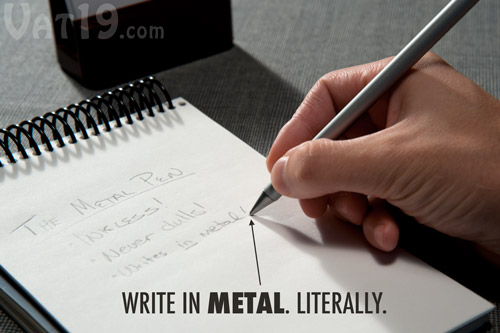
5) If a pen is more your style, you have some options. Some people get fancy and go for an old fashioned
fountain pen. There are also
some pens that claim to last seven years, which at least keeps them out of the landfill at a slower rate than your regular Bic you pick up at the drug store. And finally there is the
inkless pen. Remember too, to use up whatever pens you have around the house first.
6) Maybe you prefer binders rather than spiral notebooks. First of all, do try to re-use as many binders as you can. Check for binders being thrown out or free cycled. Binders are made of plastic/vinyl which never decomposes. So if you must have a new binder,
go for this type.
7) Get
100% recycled binder paper to put into that binder! Question: why can't binder paper be wrapped in paper (like printer paper is) instead of plastic wrap which is not recyclable???
8) Whiteboards are a handy and reusable item in the homeschool. Get one made from
sustainable bamboo!
9) But what about the markers? They are all disposable and made of plastic! Some options here:
Refillable dry erase markers which supposedly reduce waste by letting you use the marker longer.
Here's another source for these. Not sure about
these dry erase crayons, but they seem like they'd be more earth friendly.
10)
Are blackboards and chalk more environmentally friendly? It seems chalk is better than markers but the different boards themselves are about the same in terms of eco-friendliness. So if you don't have an issue with chalk dust, maybe get a blackboard instead of a whiteboard.
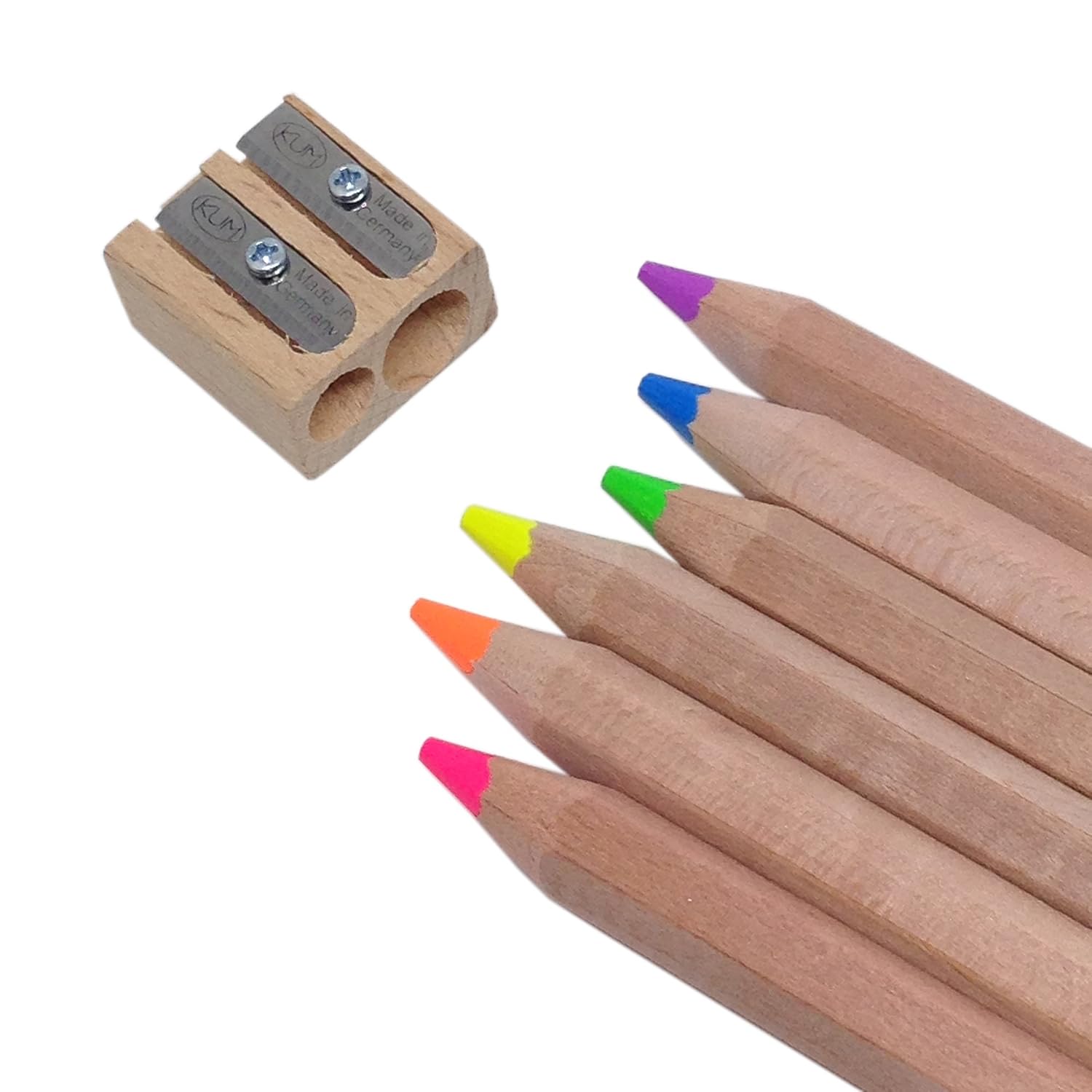
11) Highlighters - forgo the plastic ones, and
go for these.
12) Math tchotchkes - Buy second hand, re-use, free cycle or borrow things like rulers, protractors, compasses and calculators. If you must buy new, look for ones made of wood and not plastic. If you have to buy a new calculator, try to find one made of
recycled plastic.
13) Math manipulatives - You don't need to buy a set of little plastic teddy bears for your child to learn math! Instead use manipulatives you already have around the house: pennies, dried beans (get them bulk! Bring your own bag or container!), popcorn kernels or popped popcorn (also bought bulk), wooden craft sticks.
14) Instead of buying a plastic teaching toy clock, use an old mechanical alarm clock. You can still find these in stores. Or better yet, get a used one.
15) Don't buy glue in plastic sticks or containers.
Make your own! You can turn this into a little science project. Keep it stored in a glass jar like a little jelly jar.
16) If you have little ones you need to occupy while teaching older ones, make a big batch of
homemade play dough. Don't buy the stuff in plastic containers. You can store your homemade dough in old tupperware, or glass mason jars, or any airtight containers you might have around.
17) You don't need a laminator! I homeschooled for 22 years (and counting) and never used one. And yet all my children are well educated! Refuse stuff that isn't necessary.
18)
Use earth friendly art supplies. There are many companies out there selling what they term earth friendly, but you do have to use discernment when buying particular items.
Frugality rules!
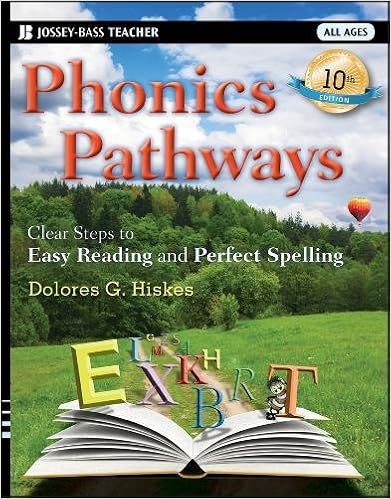
19) Instead of using single use, graded workbooks, go for resources that can be used by all the kids when they get to a point where they need it. For instance you can reused something like Simply Grammar for all children instead of a grammar workbook or Phonics Pathways instead of a phonics workbook.
20) See if you can't start a homeschool lending library out of the basement of a friendly church. This way people can donate their unwanted homeschooling books, etc and others can use them. This saves money and the earth! If you can't start a library, then have a swap night where people bring their curricula to a gathering and people trade with each other for resources they want.
21) If you can't borrow, whenever possible try to buy used instead. Local homeschool groups often have used curricula sales or set up one of your own. And there are lots of way to sell and buy used on line. I would recommend steering clear of homeschool conventions frankly, unless you are very strong and will only buy exactly what you planned to. Make sure you visit the used book sale there as well. Homeschooling ought not to be something that allows us to indulge in irresponsible impulse buying. Homeschooling is not about consumerism, but about re-establishing the true purpose of education - to love wisdom and virtue. (Sorry, couldn't resist the soapbox!)
22) Use your local library! There are so many books there for little ones (and big ones!) to learn about the alphabet, numbers, counting, basic math concepts, art, history, geography, science, etc. If you just read aloud to your children and provide lots of opportunity for them to read independently, you have already accomplished much of what you've set out to do as a homeschooling parent.
23) A lot of DIY projects are earth friendly, teach valuable concepts and skills and provide the child with a sense of accomplishment. Teaching children how to make bread, yogurt, butter, ice cream, grow the family's food in a garden, sew, knit, crochet, work wood, etc is all very earth friendly and highly educational.
24) Since most of us are connected to the internet, there are tons of free educational resources out there on the web. Use these!
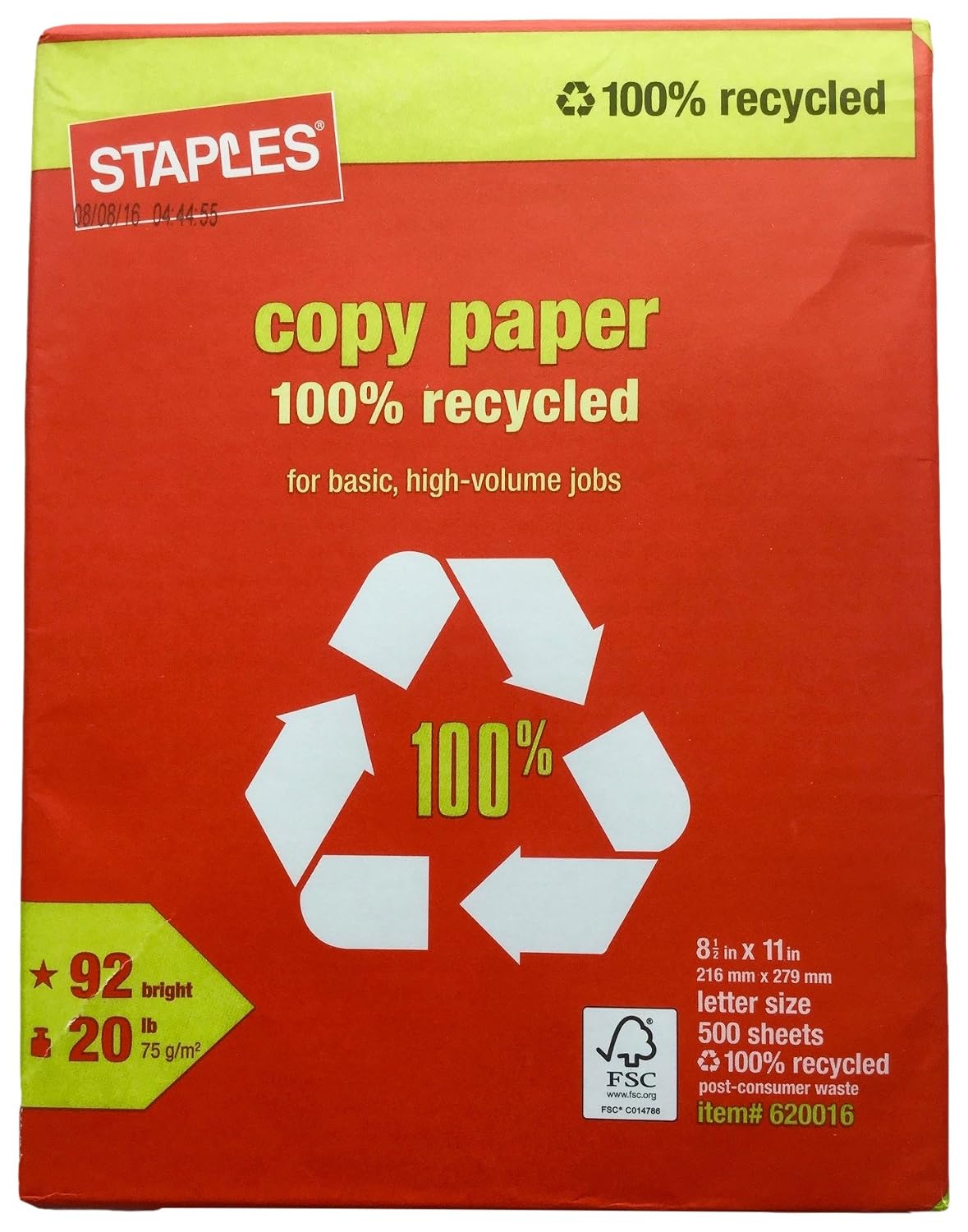
25) If you have to print things out, try to use printer paper that has at least some recycled material in it. Try to print on both sides when you can, and reuse that one sided printed paper for scrap paper, first drafts and paper crafts like making paper chains, dolls and snowflakes!
26) Buy real quality metal paper hole punchers and staplers. I use these items all the time in my homeschool. Get ones that will last years.
27) Try to reduce use of plastic tape. Buy the heavy office tape dispenser and then buy the refill rolls. This avoids buying lots of those cheap plastic dispensers. Or you can experiment with
cellulose tape instead. What do you wind up using the tape for? If it's to hang up things, consider using a bulletin board and thumb tacks or even a cardboard 3 sided science fair board where you can use staples or thumbtacks or something reusable to post visuals you want your child to see regularly.
28) When getting audio books for your children, consider downloads instead of cds. Or trade cds and dvds with other homeschooling moms. Or use the library.
29) When buying toys, less is more! With the exception of legos (and why not buy them used or get them on free cycle!) most toys don't have to be plastic. Try
Waldorf and
Montessori suppliers. They tend to have alternatives to plastic.
30) Remember to ask companies that are shipping to you, if they can use eco-friendly packing. You might not get bubble wrap to pop, but you can get tons of brown paper that can be used for all sorts of projects or
those neat dissolvable packing peanuts that kids love to play with!